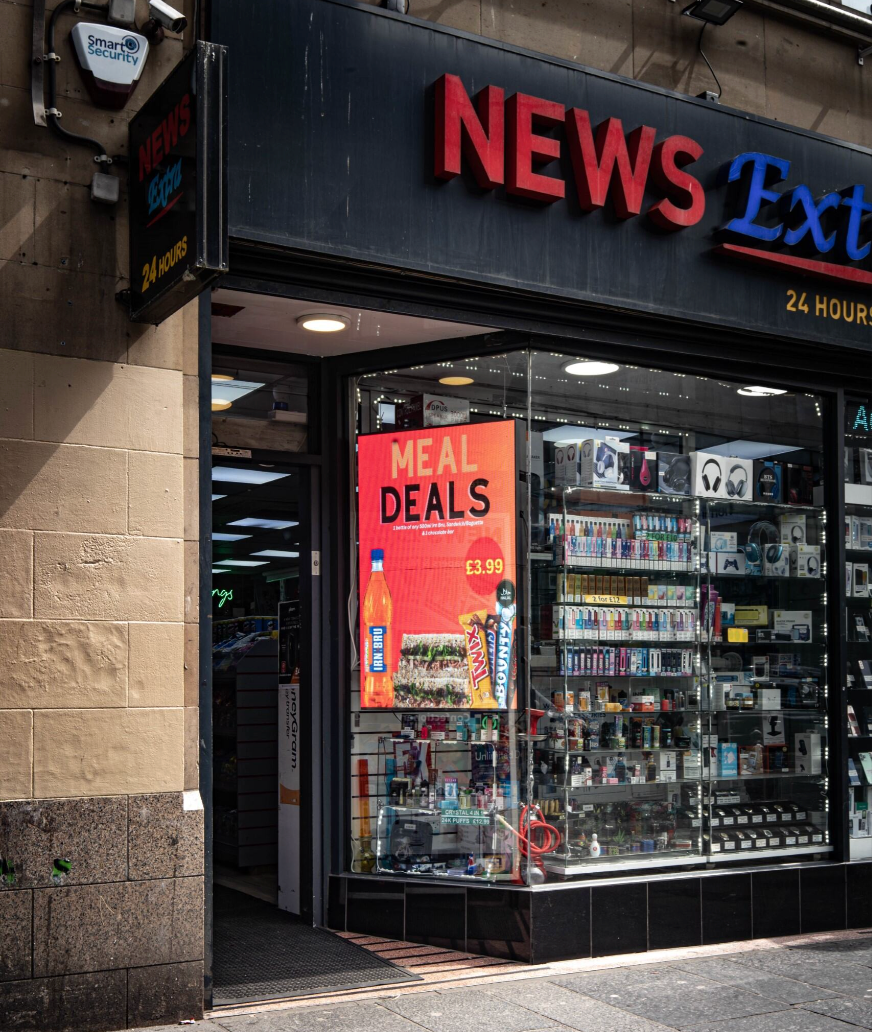
High Brightness Displays vs Normal Displays
High Brightness Displays vs Normal Displays: What’s the Difference & Why It Matters
In today’s digital world, choosing the right display technology can make or break your visual experience — whether it’s for advertising, retail, outdoor signage, or corporate installations. Two of the most common display types are high brightness displays and normal standard brightness displays. While they may look similar at first glance, their performance, capabilities, and ideal use cases are very different.
In this article, we’ll break down:
-
What high brightness displays are
-
How they differ from normal displays
-
Key benefits and use case scenarios
-
Tips for choosing the right option for your needs
By the end, you’ll understand exactly why brightness matters — and how it impacts visibility, engagement, ROI, and customer experience.
What Is a High Brightness Display?
High brightness displays are screens engineered to deliver much higher levels of brightness — typically above 2,500 nits, and in some cases up to 5,000 nits or more.
This makes them ideal for environments where ambient light is strong, like outdoor settings, storefront windows, or sun-lit areas.
In comparison, typical “normal” displays — think of most TVs, desktop monitors, and indoor signage screens — usually fall between 200–700 nits of brightness.
Why Nits Matter
A nit is a unit of brightness measurement. The higher the nit value:
-
The brighter the screen
-
The more sunlight readable it becomes
-
The sharper visuals appear in high ambient light environments
So if you want your content to shine — literally — high brightness displays are built for that.
High Brightness Display vs Normal Display: Key Differences
Let’s break down the big differences in a way that’s easy to understand.
1. Brightness & Visibility
-
High Brightness Displays: Designed for extreme clarity under direct sunlight and outdoor conditions. They deliver vibrant images even in bright daylight.
-
Normal Displays: Best suited for indoor environments with controlled lighting. In bright light, these screens can look washed out or difficult to read.
💡 Example: A normal display placed in a shop window will look faded and dull in sunlight, whereas a high brightness display stays vibrant and readable.
2. Image Quality & Contrast
High brightness screens often have advanced anti-glare technology and higher contrast ratios. This means:
-
Longer viewing distances without losing clarity
-
Richer colours even in bright conditions
-
Better recognition of fine details
Normal displays perform well under artificial indoor lighting but don’t compete when ambient light is intense.
3. Use Cases & Environments
| Display Type | Ideal Use Case |
|---|---|
| High Brightness Display | Outdoor signage, retail windows, transit hubs, public spaces |
| Normal Display | Indoor offices, restaurants, malls, conference rooms |
4. Energy Consumption & Longevity
High brightness displays typically require more power due to stronger backlights. However:
-
They are built to handle outdoor conditions
-
They have robust cooling systems
-
They’re made for continuous use
Normal displays use less power but aren’t designed for all-day operation in bright environments.
Benefits of High Brightness Displays Over Normal Displays
Choosing a high brightness display can deliver significant advantages:
✅ Enhanced Visibility in Sunlight
High brightness displays shine where normal screens fail — literally.
Even under direct sunlight, they remain clear and engaging.
✅ Better Engagement & ROI
Whether it’s digital signage for retail or outdoor advertising, better visibility equals:
-
Higher customer engagement
-
Improved brand recognition
-
More conversions from visual messaging
✅ Professional & Durable Design
High brightness displays are rugged, often weather-resistant, and built for long-term outdoor use.
When Is a Normal Display Still the Right Choice?
Not every installation requires a premium high brightness screen. Normal displays are:
-
Cost-effective for indoor use
-
Excellent for controlled lighting environments
-
Perfect for internal communications, presentations, and in-store promotions
If your screen won’t face direct sunlight or harsh lighting, a good quality normal display may be more budget-friendly and sufficient.
How to Choose Between High Brightness & Normal Displays
Use this checklist:
✔ Ambient Light Levels
✔ Viewing Distance
✔ Indoor vs Outdoor Location
✔ Budget & Power Consumption
✔ Longevity & Durability Needs
If your installation is exposed to bright light or daylight, high brightness displays are almost always the smart option.
Conclusion: Brightness Makes a Difference
Understanding the difference between high brightness and normal displays isn’t just technical — it’s practical. The right screen ensures your message gets seen, understood, and acted upon.
Whether you’re:
-
Enhancing retail windows
-
Running outdoor ads
-
Installing digital signage for events
-
Or equipping your office with displays
…brightness is one of the most important factors to consider.